Bulleh Shah · 'What Kind of Lineage Does Love Have?'Seeking the Beloved until separateness gives way
Where do you look for what you belong to when it is already closer than your own 'I'?
In Bulleh Shah's kafi, public scolding of Ranjha stands beside a secret prayer for him in the heart. Then the lover names himself and Ranjha a single being. Speech is still addressed to another, yet the familiar boundary between them no longer holds.
In the Sufi song, love leads toward the Lord whom people search for far off while leaving Him right beside them. I hear a question here about belonging to something larger: what happens to the separate 'I' when it recognizes such closeness? Seeking and presence, separateness and unity sound together. To continue this conversation, it is not enough to ask whom the speaker loves—one must listen to who he becomes inside love.
Bullah Ki Jaane Zaat Ishq Di
The eighteenth-century Punjabi Sufi kafi “Bullah Ki Jaane Zaat Ishq Di” by Bulleh Shah (1680–1757 CE) draws on the folk romance of Heer and the cowherd Ranjha to dissolve the boundary between lover and Beloved: “I and Ranjha are a single being.” The song warns against wandering into distant wildernesses while the True Lord stands right beside you.
What does Bulleh know of what caste or lineage Love belongs to?
Outwardly I may speak sharp words to Ranjha, but in my secret heart I pray for him!
I and Ranjha are one single being, let the worldly people test it as they will!
In whichever pasture my Beloved appears, I take all his misfortunes upon myself.
O Bulleh, leaving your True Lord close beside you, do not wander off into the wilderness!
ਬੁੱਲ੍ਹਾ ਕੀ ਜਾਣੇ ਜ਼ਾਤ ਇਸ਼ਕ ਦੀ ਕੌਣ।
ਰਾਂਝੇ ਨੂੰ ਮੈਂ ਗਾਲੀਆਂ ਦੇਵਾਂ, ਮਨ ਵਿੱਚ ਕਰਾਂ ਦੁਆਈਂ।
ਮੈਂ ਤੇ ਰਾਂਝਾ ਇਕੋ ਕੋਈ, ਲੋਕਾਂ ਨੂੰ ਅਜ਼ਮਾਈਂ।
ਜਿਸ ਬੇਲੇ ਵਿਚ ਬੇਲੀ ਦਿੱਸੇ, ਉਸ ਦੀਆਂ ਲਵਾਂ ਬਲਾਈਂ।
ਬੁੱਲ੍ਹਾ ਸ਼ੌਹ ਨੂੰ ਪਾਸੇ ਛੱਡ ਕੇ, ਜੰਗਲ ਵੱਲ ਨਾ ਜਾਈ।
*Транслитерация:*
Bullah kī jāṇe zāt ishq dī kauṇ.
Rāñjhe nū maiñ gālīāñ devāñ, man vich karāñ du'ā'īñ.
Maiñ te Rāñjhā iko ko'ī, lokāñ nū azmā'īñ.
Jis bele vich belī disse, us dīāñ lavāñ balā'īñ.
Bullah shauh nū pāse chhaḍḍ ke, jaṅgal vall na jā'ī.
Staying Beside the Question
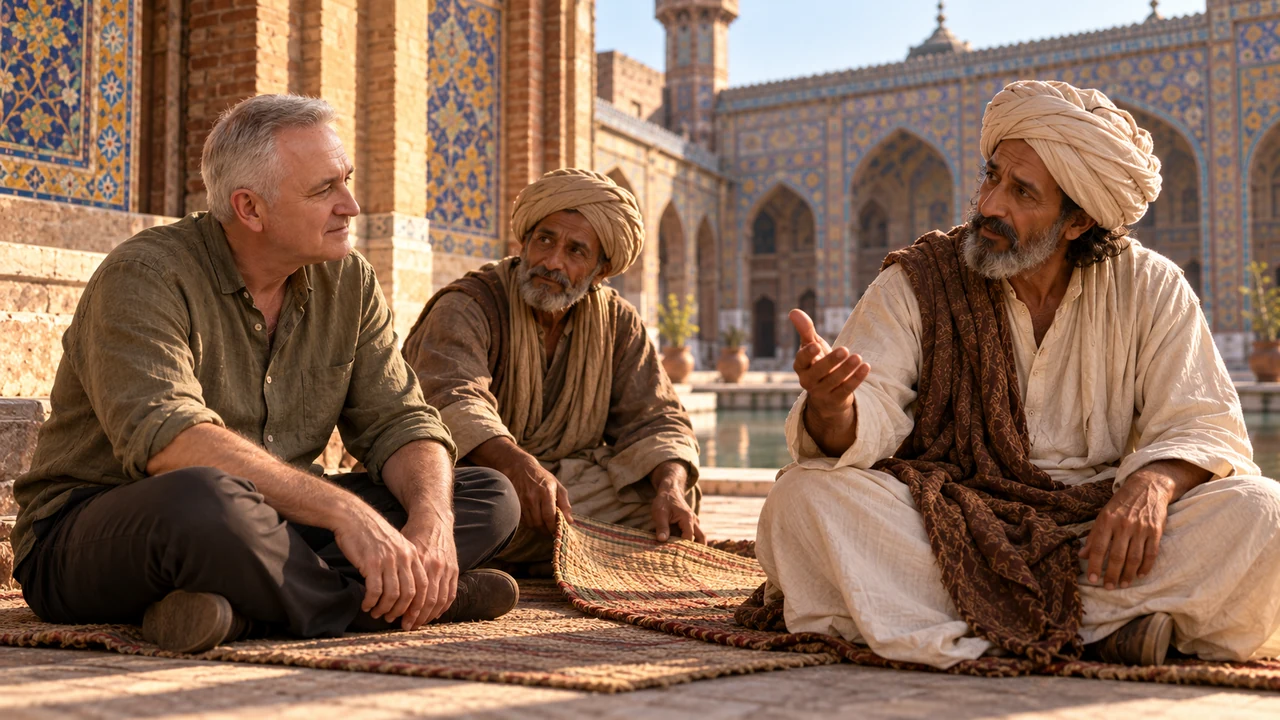
In this image, the contemporary author stands beside his interlocutor (Bulleh Shah · 'What Kind of Lineage Does Love Have?'). This encounter is created for a conversation through the poem; the contemporary participant's likeness is grounded in photographs of Oleksandr Bochkala.
The image does not claim a literal historical meeting—it opens a shared space where the poet’s question is addressed to us today and asks for a personal answer.
Historical Context & Keys to the Text
Critical Punjabi text edition and translation: Prof. Christopher Shackle (SOAS University of London, Murty Classical Library of India / Harvard University Press 2015) and Prof. Denis Matringe (École des hautes études en sciences sociales — EHESS, Paris).